Ghosting Test Online
Ghosting appears as visible trails behind moving objects. This page gives you a quick motion target for tuning the display.
Live screen test
Start with the real patterns.
Watch for a repeated shadow or trail behind the moving object. This is not a keyboard anti-ghosting test.
What it checks
Use this test when you need a clear visual answer.
Ghosting Test is built for quick inspection, not lab measurement. It gives you controlled browser patterns so you can decide whether the screen needs setup, retesting, or warranty attention.
Object trails
Inverse ghosting
Overdrive side effects
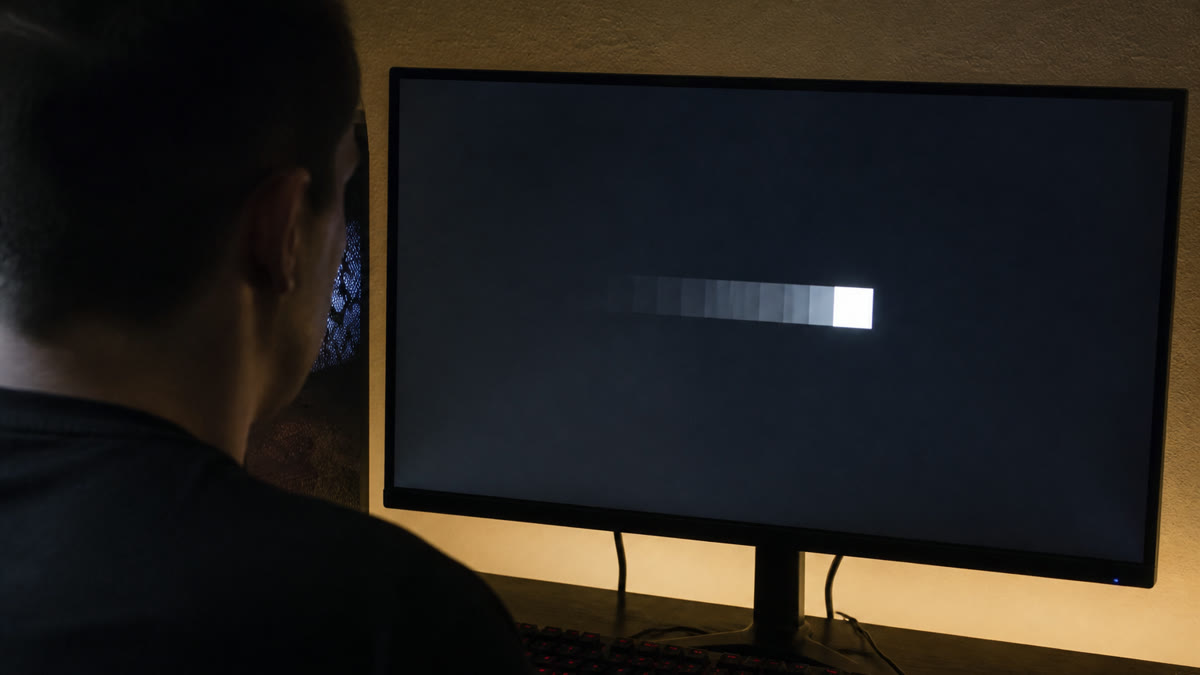
A repeated shadow behind a moving object is ghosting.
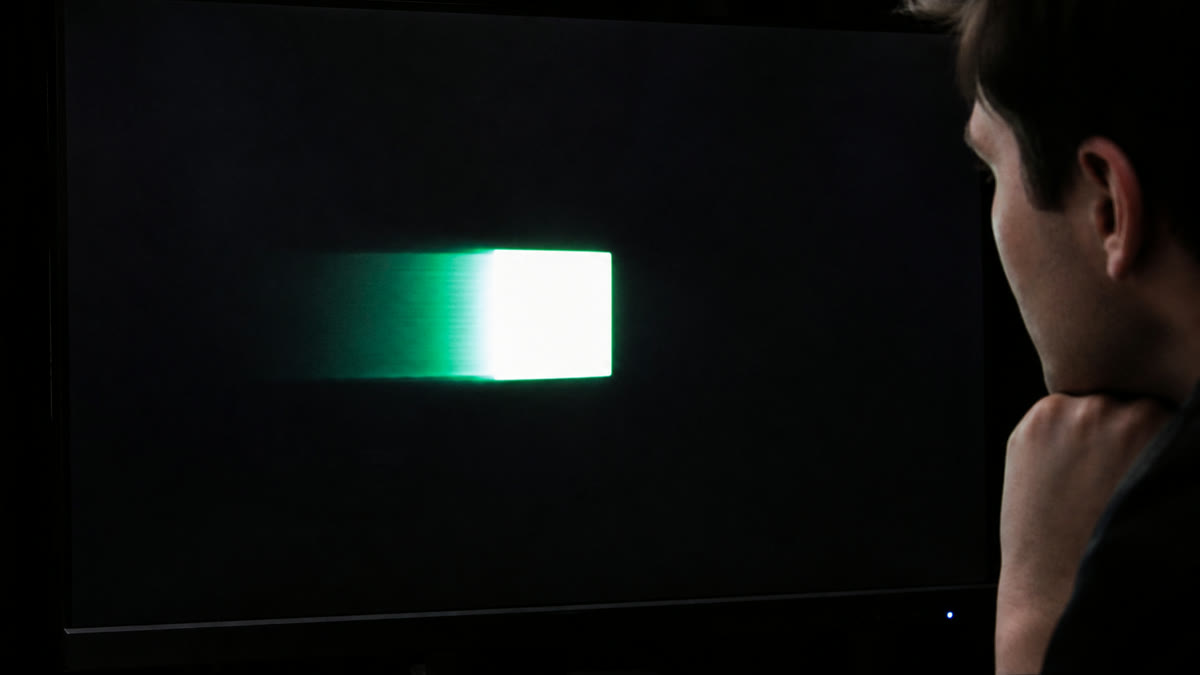
A bright or colored corona ahead of the object is inverse ghosting from overdrive.
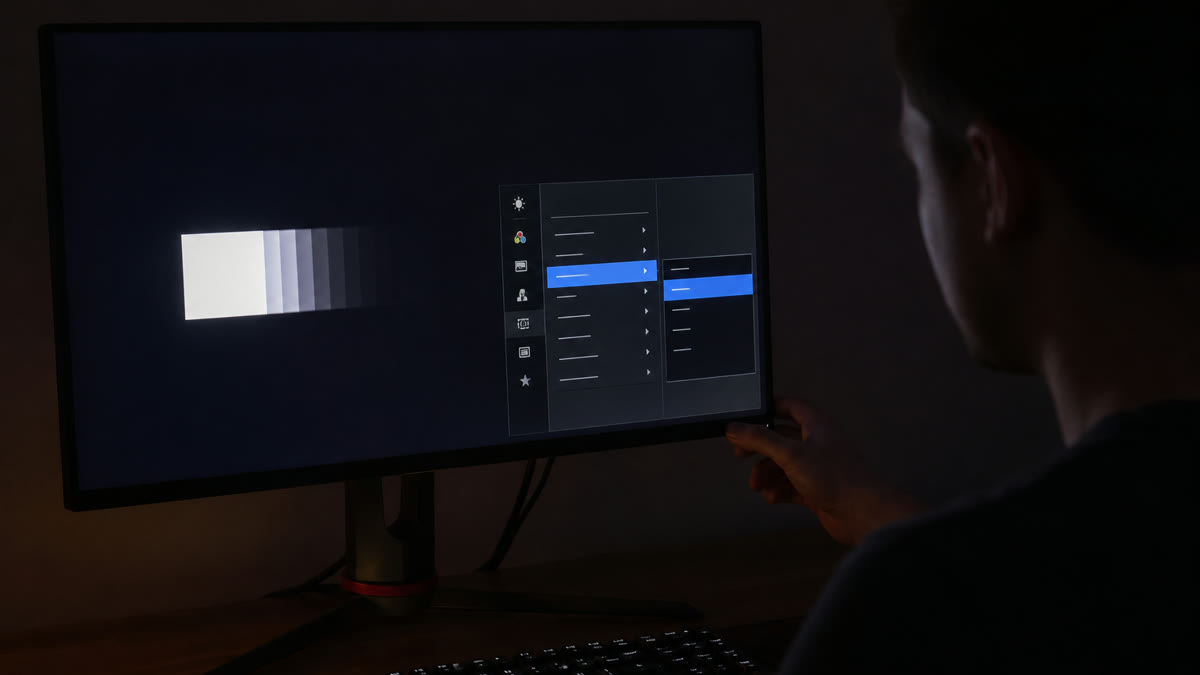
Change overdrive and compare which mode leaves the cleanest trail without adding a halo.
Result guide
How to read the ghosting result
Start with the moving block pattern, then switch to adjacent patterns before making a decision. A real display problem usually stays in the same area when the pattern changes. A reflection, viewing angle shift, browser zoom issue, or temporary image setting often changes when you move your head, adjust brightness, or repeat the test after a restart.
Object trails
Use this page to isolate object trails under controlled screen patterns. Scan the center, edges, and corners, then confirm the same area with a second pattern before you treat it as a panel issue.
Inverse ghosting
Use this page to isolate inverse ghosting under controlled screen patterns. Scan the center, edges, and corners, then confirm the same area with a second pattern before you treat it as a panel issue.
Overdrive side effects
Use this page to isolate overdrive side effects under controlled screen patterns. Scan the center, edges, and corners, then confirm the same area with a second pattern before you treat it as a panel issue.
Workflow
How to use the ghosting test
Confirm the display is running at the intended refresh rate.
Open the ghosting test fullscreen and watch the moving target against dark and light areas.
Change overdrive or response settings and compare which mode leaves the cleanest trail.
Use cases
Where this screen test is most useful
FPS gaming
Ghosting can make tracking targets feel less clear.
TV game mode
Compare game mode with standard picture processing.
Laptop display check
Many laptop panels have limited overdrive controls, so detection matters before purchase.
Reading the result
Practical tips before you decide
Look behind the object
A repeated shadow or colored edge indicates ghosting or inverse ghosting.
Avoid motion smoothing
TV processing can change motion appearance and input behavior.
Compare backgrounds
Ghosting can be stronger on dark transitions than bright ones.
Device setup
Use the same screen test across real viewing setups
The ghosting test works best when the test matches the way you actually use the display. Keep the room lighting, brightness, scaling, and viewing distance close to normal, then repeat the pattern only after a setting change. This keeps the result practical instead of turning the page into a lab claim.
Desktop and laptop monitors
Use native resolution, 100 percent browser zoom, and the monitor picture mode you normally use. If you change brightness, contrast, overdrive, or color temperature, repeat the ghosting pass before comparing results.
TVs, projectors, and large panels
Step back to your real viewing distance after a close inspection. Large screens can exaggerate small edge, glow, focus, or processing issues, so confirm anything suspicious with normal video, games, or desktop content.
Phones and tablets
Rotate the device if the browser supports it, clean the glass, and reduce reflections before judging the result. Some mobile browsers limit fullscreen behavior, but the same pattern sequence still helps with quick display checks.
Related tests
Continue with adjacent checks
Response Time Test
Moving blocks and high-contrast edges make slow transitions, dark smearing, and overshoot easier to see.
Refresh Rate Test
A refresh-rate visual test helps you confirm that motion looks smoother after switching to a higher display mode.
Contrast Test
Use stepped tone patterns to see whether your display keeps dark and bright details separate.
Black Screen
A fullscreen black screen helps reveal bright stuck pixels, light leakage, OLED behavior, and dark-room panel glow.
FAQ
Ghosting Test questions
These answers match the visible test on this page and avoid warranty or measurement claims that depend on your specific display.
What is monitor ghosting?
Ghosting is a trail or shadow that follows moving objects because pixels do not change fast enough or overdrive is poorly tuned.
Is ghosting the same as motion blur?
They are related but not identical. Blur can come from sample-and-hold behavior, while ghosting is a visible trail from transitions.
Can overdrive fix ghosting?
It can reduce trails, but too much overdrive can create inverse ghosting or halos.
Should I test in fullscreen?
Yes. Fullscreen removes browser distractions and makes motion trails easier to see.
Is this a UFO test or a keyboard anti-ghosting test?
This page is a visual monitor check for trails and inverse ghosting. A UFO-style moving target is the same job. Keyboard anti-ghosting and n-key rollover are not. A browser cannot report milliseconds. If you care more about smear and slow transitions than leftover trails, use the response-time page.
Can I use the ghosting test on more than one device?
Yes. Open the same page on each monitor, laptop, phone, tablet, TV, or projector, then compare the ghosting result under similar brightness and room lighting. Device browsers can handle fullscreen differently, but the visual patterns are still useful for a practical check.
Does this online ghosting test replace professional calibration?
No. This page is a browser-based visual test for finding obvious display problems and setup issues. For color-critical work, brightness targets, or measured calibration, use a hardware colorimeter or professional display workflow after the visual pass.
How to Check a Monitor for Dead Pixels
A reliable dead pixel check uses fullscreen solid colors, steady lighting, and a repeatable inspection path. The goal is to separate real panel defects from dust, reflections, scaling artifacts, and temporary cable issues.
How to Test a New Monitor
A new monitor should be tested before you mount it, remove packaging, or let the return window pass. Start with panel defects, then verify uniformity, tone, text clarity, refresh rate, and real content.
Monitor Calibration Guide
Browser tests can help you set a monitor to a sensible baseline and spot obvious problems. They do not replace a colorimeter, but they make brightness, contrast, gamma, sharpness, and banding easier to judge before hardware calibration.
Ready to inspect the full screen?
Open the fullscreen pattern and move through the test slowly.