Stuck Pixel Test Online
A stuck pixel often stays red, green, or blue. Cycle primary colors to spot the subpixel that is not changing correctly.
Live screen test
Start with the real patterns.
A green or blue stuck subpixel pops on a full red field.
What it checks
Use this test when you need a clear visual answer.
Stuck Pixel Test is built for quick inspection, not lab measurement. It gives you controlled browser patterns so you can decide whether the screen needs setup, retesting, or warranty attention.
Pixels frozen in one color
Subpixel issues on RGB screens
Small defects after transport
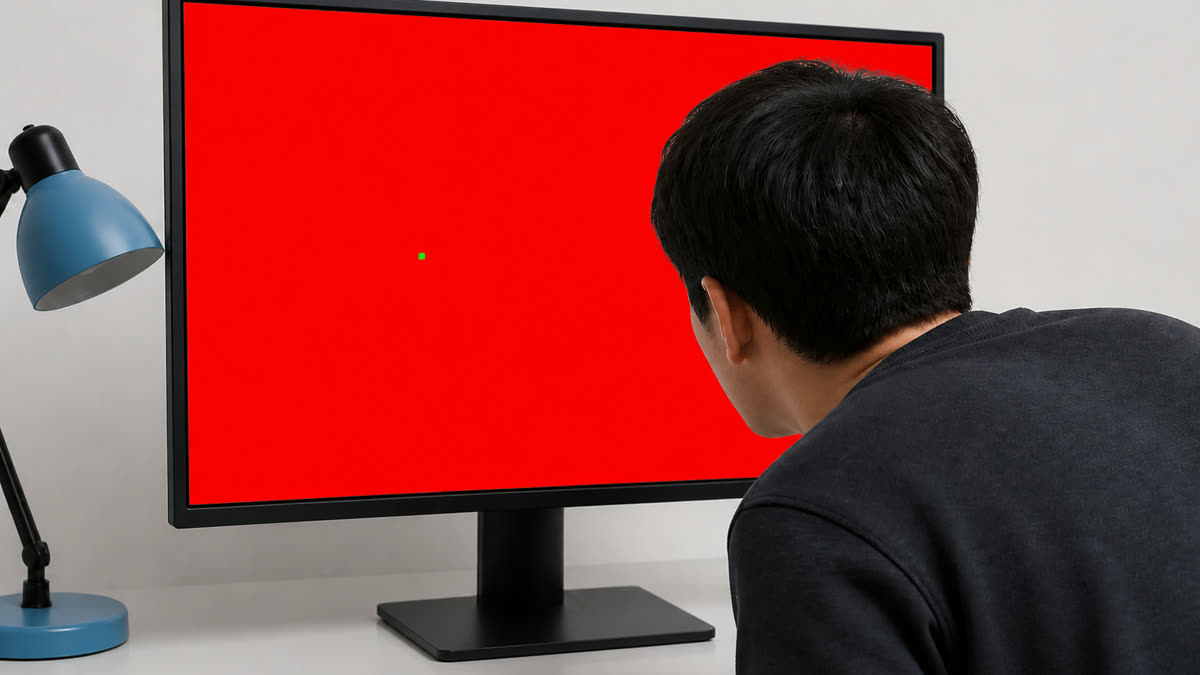
Start on red. A green or blue stuck subpixel is easiest to see on a primary field.
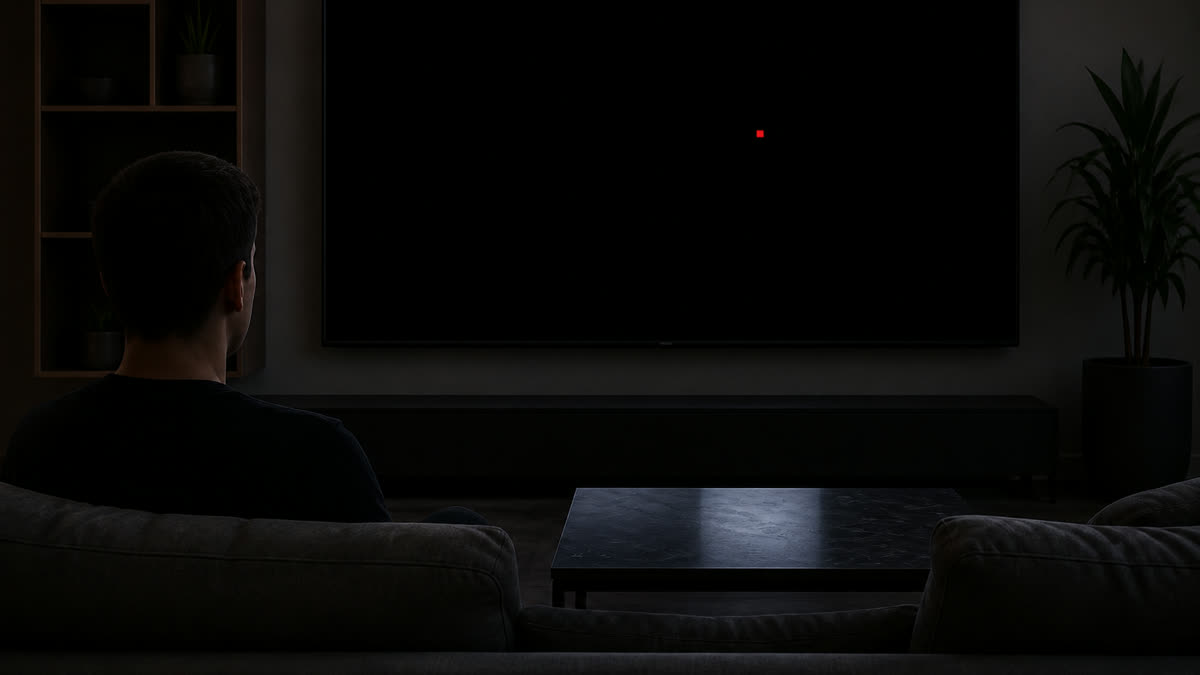
Switch to black. A pixel stuck on one color stays lit in the same place.
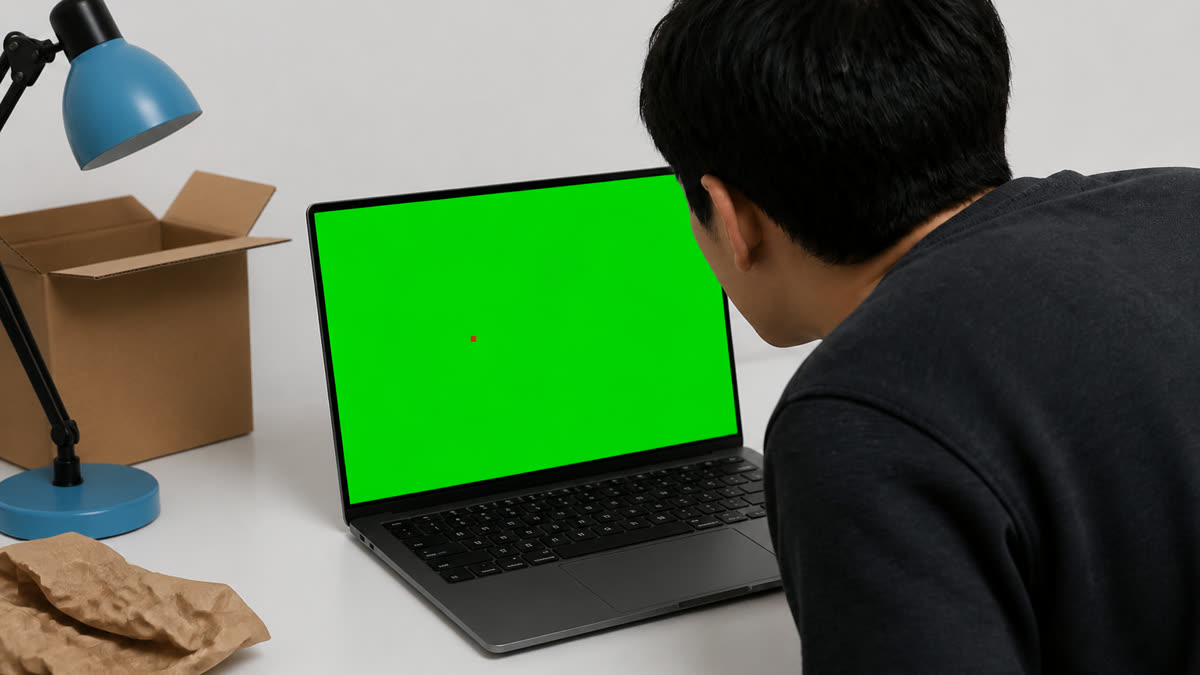
After transport, check the same colored dot on a primary field before you keep the panel.
Result guide
How to read the stuck pixels result
Start with the red pattern, then switch to adjacent patterns before making a decision. A real display problem usually stays in the same area when the pattern changes. A reflection, viewing angle shift, browser zoom issue, or temporary image setting often changes when you move your head, adjust brightness, or repeat the test after a restart.
Pixels frozen in one color
Use this page to isolate pixels frozen in one color under controlled screen patterns. Scan the center, edges, and corners, then confirm the same area with a second pattern before you treat it as a panel issue.
Subpixel issues on RGB screens
Use this page to isolate subpixel issues on rgb screens under controlled screen patterns. Scan the center, edges, and corners, then confirm the same area with a second pattern before you treat it as a panel issue.
Small defects after transport
Use this page to isolate small defects after transport under controlled screen patterns. Scan the center, edges, and corners, then confirm the same area with a second pattern before you treat it as a panel issue.
Workflow
How to use the stuck pixel test
Clean the screen and let the display warm up for a few minutes.
Open the test in fullscreen mode and dim nearby reflections.
Move through each pattern slowly and inspect the full panel, including the corners.
Use cases
Where this screen test is most useful
Warranty evidence
Confirm whether a colored dot remains visible across multiple primary colors.
Gaming monitor setup
Check high-refresh panels before mounting them in a fixed desk setup.
Phone screen inspection
Use bright red, green, and blue fills to reveal stuck subpixels on OLED or LCD screens.
Reading the result
Practical tips before you decide
Compare against adjacent pixels
A stuck pixel usually stays constant while nearby pixels change with the pattern.
Do not press hard on the panel
Pressure can damage the display. Use this test for detection, not physical repair.
Repeat after a restart
If a defect appears after sleep or cable changes, retest after reconnecting the display.
Device setup
Use the same screen test across real viewing setups
The stuck pixel test works best when the test matches the way you actually use the display. Keep the room lighting, brightness, scaling, and viewing distance close to normal, then repeat the pattern only after a setting change. This keeps the result practical instead of turning the page into a lab claim.
Desktop and laptop monitors
Use native resolution, 100 percent browser zoom, and the monitor picture mode you normally use. If you change brightness, contrast, overdrive, or color temperature, repeat the stuck pixels pass before comparing results.
TVs, projectors, and large panels
Step back to your real viewing distance after a close inspection. Large screens can exaggerate small edge, glow, focus, or processing issues, so confirm anything suspicious with normal video, games, or desktop content.
Phones and tablets
Rotate the device if the browser supports it, clean the glass, and reduce reflections before judging the result. Some mobile browsers limit fullscreen behavior, but the same pattern sequence still helps with quick display checks.
Related tests
Continue with adjacent checks
Dead Pixel Test
Use full-screen color fills to find pixels that stay black, white, or visibly different from the surrounding panel.
Red Screen
A pure red screen isolates the red channel so stuck subpixels, tint shifts, and color uniformity issues stand out.
Green Screen
A pure green screen stresses the green subpixel channel and makes channel-specific defects easier to spot.
Blue Screen
A pure blue screen isolates the blue channel and helps reveal defects that may hide on white or red patterns.
FAQ
Stuck Pixel Test questions
These answers match the visible test on this page and avoid warranty or measurement claims that depend on your specific display.
Is a stuck pixel different from a dead pixel?
Yes. A stuck pixel can remain fixed on one color, while a dead pixel often stays dark or inactive.
Can a stuck pixel disappear?
Sometimes temporary subpixel behavior changes, but this page only verifies the issue. Avoid risky pressure or heat methods.
Why use red, green, and blue screens?
LCD and OLED pixels are built from subpixels. Primary colors make each channel easier to inspect.
How long should I test?
A careful two or three minute pass is usually enough for visible defects. Take longer on large TVs or ultrawide monitors.
Does this page fix stuck pixels or require a download?
No. This page only finds a colored dot with fullscreen red, green, blue, white, and black. It does not run a pixel fixer, installer, or flashing repair tool.
Can I use the stuck pixel test on more than one device?
Yes. Open the same page on each monitor, laptop, phone, tablet, TV, or projector, then compare the stuck pixels result under similar brightness and room lighting. Device browsers can handle fullscreen differently, but the visual patterns are still useful for a practical check.
Does this online stuck pixels test replace professional calibration?
No. This page is a browser-based visual test for finding obvious display problems and setup issues. For color-critical work, brightness targets, or measured calibration, use a hardware colorimeter or professional display workflow after the visual pass.
How to Check a Monitor for Dead Pixels
A reliable dead pixel check uses fullscreen solid colors, steady lighting, and a repeatable inspection path. The goal is to separate real panel defects from dust, reflections, scaling artifacts, and temporary cable issues.
How to Test a New Monitor
A new monitor should be tested before you mount it, remove packaging, or let the return window pass. Start with panel defects, then verify uniformity, tone, text clarity, refresh rate, and real content.
Monitor Calibration Guide
Browser tests can help you set a monitor to a sensible baseline and spot obvious problems. They do not replace a colorimeter, but they make brightness, contrast, gamma, sharpness, and banding easier to judge before hardware calibration.
Ready to inspect the full screen?
Open the fullscreen pattern and move through the test slowly.